
Water spots are one of the most annoying issues in car detailing. You spend time washing your car properly, only to see marks appear as it dries. These spots can ruin the finish and make the paint look dull, especially under sunlight. The truth is that water spots are not caused by washing itself, but by how the car is dried afterwards.
If you want a spotless finish, mastering the right car drying techniques is just as important as the wash process. Poor drying methods can leave behind mineral deposits, streaks, and even fine scratches. On the other hand, using the correct approach will keep your paint clean, glossy, and protected.
In this guide, you will learn the best drying techniques to avoid water spots on cars, using simple but effective methods followed by professional detailers.
What Causes Water Spots on Cars
Before looking at drying techniques, it helps to understand what water spots actually are. When water evaporates from your car’s surface, it leaves behind minerals such as calcium and magnesium. These minerals form visible spots that stick to the paint.
If left untreated, these spots can become harder to remove over time. In some cases, they can even etch into the clear coat, especially in hot weather. This makes prevention far easier than correction.
Water spots are more likely to appear when washing in direct sunlight, using hard water, or allowing the car to air dry. That is why proper drying is essential for maintaining a clean finish.
Dry Your Car Immediately After Washing
One of the simplest yet most effective ways to prevent water spots is to dry your car straight after rinsing. Letting water sit on the surface, even for a short time, increases the chances of spotting.
Once you finish rinsing, begin drying panel by panel. Do not wait for the entire car to start drying naturally. Acting quickly ensures that minerals do not have time to settle and leave marks behind.
This is especially important in warm climates where water evaporates faster. The quicker you start the drying process, the better your results will be.
Use a High Quality Microfibre Drying Towel
The towel you use plays a major role in achieving a spotless finish. A high quality microfibre drying towel is designed to absorb large amounts of water without scratching the paint.
Avoid using old towels, bath towels, or low quality cloths. These can drag across the surface and create fine marks. A proper drying towel lifts water safely and reduces friction.
Use a gentle technique rather than rubbing aggressively. You can either pat the surface dry or lightly drag the towel across the panel. Both methods work well when done carefully.
Work Panel by Panel
Drying your car in sections is one of the most effective techniques to avoid water spots. Instead of trying to dry the entire car at once, focus on one panel at a time.
Start from the top and move downwards. This prevents water from dripping onto already dried areas. It also allows you to control the process more effectively and ensures no section is missed.

Working panel by panel keeps the surface manageable and reduces the risk of water drying on its own before you reach it.
Use a Drying Aid for Better Results
A drying aid is a simple addition that can make a big difference. These products are sprayed onto the wet surface before drying and provide extra lubrication.
This helps the towel glide smoothly across the paint, reducing the risk of scratches and streaks. At the same time, drying aids enhance gloss and leave behind a light layer of protection.
Using a drying aid is especially useful if your car does not already have a wax or sealant. It makes the drying process easier and improves the overall finish.
Blow Dry Hard to Reach Areas
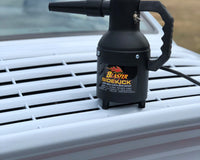
Some areas of your car are difficult to dry with a towel, such as mirrors, grilles, badges, and panel gaps. Water trapped in these areas can drip out later and leave unwanted spots.
Using a car dryer or even a leaf blower is an effective way to remove water from these tight spaces. It pushes water out without any physical contact, which reduces the risk of scratches.
This technique is often used by professional detailers and can significantly improve the final result. It ensures that no hidden water is left behind to cause spotting later.
Avoid Washing and Drying in Direct Sunlight
Direct sunlight is one of the main causes of water spots. It speeds up evaporation, which means minerals are left behind more quickly.
Whenever possible, wash and dry your car in a shaded area or during cooler parts of the day. This gives you more time to work and reduces the chances of water drying on the surface.
If shade is not available, work in smaller sections and rinse frequently to keep the surface cool. Managing temperature is key to preventing spots.
Consider Using Filtered or Soft Water
If you live in an area with hard water, water spots can be more difficult to avoid. Hard water contains higher levels of minerals, which increases the chances of spotting.
Using filtered or soft water for the final rinse can make a noticeable difference. It reduces mineral content and helps achieve a cleaner finish.
While not always necessary, this step can be particularly helpful for those who want a truly spotless result, especially on dark coloured cars where water spots are more visible.
Final Inspection and Touch Ups
Once the car is fully dry, take a few moments to inspect the surface. Look for any remaining water spots or streaks and address them immediately.
A clean microfibre cloth or a quick detailer spray can be used for minor touch ups. This ensures that your car looks perfect from every angle.
Pay attention to areas where water tends to collect, such as around mirrors and trims. Catching these early prevents marks from setting in.
Final Thoughts
Avoiding water spots on your car is all about using the right drying techniques and paying attention to detail. Small improvements in your routine can lead to significantly better results.
Drying your car properly not only enhances its appearance but also protects the paint from long term damage. It is a simple step that makes a big difference in overall car detailing.
With the right approach, you can achieve a clean, streak free finish every time and keep your car looking freshly detailed after every wash.