
Faded car plastics can make even a well maintained vehicle look older than it actually is. Those dull grey trims, chalky bumpers, and weathered side mouldings slowly lose their original richness due to sun exposure, dirt, and harsh environmental conditions. The good news is that you do not need to repaint them to bring them back to life. With the right approach, you can restore faded car plastics at home and achieve results that look close to factory fresh.
Many car owners assume that once plastics fade, the damage is permanent. In reality, most of the fading is caused by oxidation and UV damage on the surface layer. This means it can be treated and improved significantly with proper cleaning and restoration techniques. The key is to follow a safe process that not only enhances the appearance but also protects the trim for the long term.
This guide will walk you through a complete, practical method to restore faded car plastics without repainting, using techniques trusted by professional detailers.
Why Car Plastics Fade Over Time
Before jumping into the restoration process, it is important to understand why plastic trims fade in the first place. Most exterior plastics are constantly exposed to sunlight, which contains harmful UV rays. Over time, these rays break down the surface, causing the rich black finish to turn dull and grey.
In addition to UV exposure, road grime, traffic film, and harsh chemicals also contribute to the deterioration. Automatic car washes and strong cleaners can strip away any protective layers, leaving the plastic vulnerable to further damage.

Oxidation is the main culprit behind that chalky appearance. It creates a dry, uneven surface that reflects light poorly, making the trim look aged. The goal of restoration is to remove or mask this oxidation and restore the depth of colour.
Start with a Deep Clean
The first step in restoring faded car plastics is a thorough cleaning. You cannot restore or protect a surface that is covered in dirt and oils. Proper cleaning ensures that the restoration products bond effectively and deliver better results.
Use a dedicated plastic cleaner or an all purpose cleaner diluted appropriately. Work the product into the trim using a soft brush or microfibre cloth. Pay attention to textured areas where dirt tends to accumulate.
Rinse thoroughly and allow the surface to dry completely. You will often notice that the plastic already looks slightly better after cleaning, but the real transformation comes in the next steps.
Remove Embedded Contamination
Just like paint, plastic trims can also hold onto embedded contaminants. These particles sit within the surface and prevent restoration products from working properly.
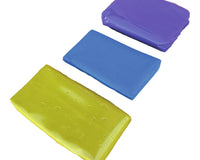
You can use a gentle clay bar with proper lubrication to remove these bonded contaminants. Work lightly over the plastic surface without applying too much pressure. This step helps create a clean and smooth base for restoration.
Although it is often skipped, this stage can make a noticeable difference in the final result. It ensures that the surface is fully prepared for the treatment that follows.
Apply a Plastic Restorer
This is where the real transformation happens. A high quality plastic restorer is designed to bring back the original colour and depth of faded trims. These products penetrate the surface and revive the appearance by darkening the plastic.
Apply a small amount of the restorer onto a foam applicator or microfibre pad. Work it evenly into the plastic, making sure to cover all areas. You will immediately see the trim turning darker and richer in colour.
Allow the product to absorb properly, then wipe off any excess with a clean cloth. For heavily faded plastics, you may need to apply multiple layers to achieve the desired finish.
Seal and Protect the Finish
Restoring the colour is only part of the process. Without protection, the plastic will fade again relatively quickly. This is why applying a protective layer is essential.
Many modern plastic restorers come with built in UV protection. However, you can also apply a dedicated trim sealant or ceramic coating designed for plastics. These products create a barrier against sunlight, moisture, and dirt.
A good protective layer not only preserves the restored look but also makes future cleaning much easier. It helps maintain that deep black finish for a longer period.
Alternative Methods for Stubborn Fading
In some cases, plastic trims may be severely faded and require a more intensive approach. Heat treatment is one method often discussed, where a heat gun is used to temporarily restore colour by drawing oils back to the surface.
While this method can produce quick results, it is not always recommended for beginners. It requires precision and can easily damage the plastic if done incorrectly. The results are also often temporary compared to proper restoration products.
Another option is using dye based trim restorers, which provide longer lasting results by actually recolouring the plastic. These are more durable but require careful application to avoid uneven finishes.
Maintenance Tips to Keep Plastics Looking New
Once you have restored your car plastics, regular maintenance is key to keeping them in good condition. Wash the trims gently using pH neutral products and avoid harsh chemicals that can strip protection.
Reapply a trim restorer or protectant every few months, depending on exposure to sunlight and weather conditions. This helps maintain the depth of colour and prevents fading from returning.
Parking in shaded areas or using a car cover can also reduce UV exposure. Small habits like these go a long way in preserving the appearance of your vehicle.
Final Thoughts
Restoring faded car plastics without repainting is not only possible but highly effective when done correctly. With the right products and techniques, you can bring dull, lifeless trims back to a rich and vibrant finish.
The process is straightforward and does not require expensive tools or professional skills. It is all about proper preparation, careful application, and consistent maintenance.
If you want your car to look truly well cared for, do not overlook the plastic trims. Restoring them can make a dramatic difference in the overall appearance of your vehicle and give it that fresh, detailed look once again.