
Drying your car properly is just as important as washing it. Many car owners spend time using the correct shampoo, wash mitts and cleaning techniques, only to undo all their hard work during the drying stage. Improper drying is one of the leading causes of swirl marks, micro-scratches and water spots, all of which can gradually reduce the gloss and clarity of your vehicle's paintwork. This is why professional detailers pay as much attention to drying as they do to washing.
In recent years, car dryers and car blowers have become increasingly popular among both enthusiasts and professional detailers. These specialised tools remove water using powerful streams of filtered air rather than relying solely on drying towels. As a result, they significantly reduce paint contact, minimise the risk of scratching and make it easier to dry difficult areas that traditional towels often miss. Whether you own a ceramic-coated vehicle, a luxury car, a classic model or simply want the safest way to maintain your paintwork, investing in a quality car dryer can transform your detailing routine.
This comprehensive guide explains everything you need to know about car dryers and blowers, including how they work, their advantages, the different types available, when they should be used and how to choose the right one for your vehicle.
Why Proper Car Drying Matters
Many people assume the washing stage is where paint damage occurs, but drying can be equally responsible for creating imperfections. After washing, water left sitting on the paint begins to evaporate naturally. As it evaporates, minerals contained within the water remain behind, leaving unsightly water spots that can eventually etch into the clear coat if ignored. Hard water areas are particularly susceptible to this problem, making proper drying essential for maintaining a flawless finish.
Using unsuitable towels or poor drying techniques can also introduce fine scratches into the paint. Even small particles of dirt left behind after washing may become trapped between the towel and the surface, creating swirl marks as the towel is moved across the vehicle. Over time, repeated contact drying gradually dulls the finish and reduces the depth of gloss that many car owners work so hard to achieve.
Proper drying is not only about appearance but also about protecting your investment. Water trapped around mirrors, badges, door handles, window trims and fuel filler caps often drips out later, leaving streaks across freshly cleaned panels. Thorough drying prevents these issues while reducing the likelihood of corrosion in hidden areas. Whether you use towels, blowers or a combination of both, giving sufficient attention to the drying stage helps maintain your vehicle's finish for years to come.
What Are Car Dryers and Car Blowers?
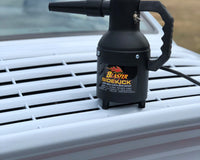
A car dryer or car blower is a specialised detailing tool designed to remove water from the surface of a vehicle using powerful streams of filtered air. Instead of physically touching the paint, the blower forces water away from panels, glass, trim and other surfaces. This contactless approach significantly reduces the risk of introducing scratches during the drying process.
Most car dryers use heated or slightly warmed filtered air, which helps evaporate remaining moisture while ensuring that dust and debris are not blown back onto the paint. Unlike ordinary household leaf blowers, purpose-built car dryers are specifically designed for vehicle detailing and often include filtration systems to ensure clean airflow. This makes them much safer for delicate automotive finishes.
Car blowers are available in a variety of sizes, ranging from compact handheld units suitable for occasional home use to powerful professional-grade machines capable of drying an entire vehicle within minutes. Their popularity has grown rapidly as ceramic coatings and advanced paint protection systems have become more common, as these coatings respond exceptionally well to air drying thanks to their hydrophobic properties.
How Car Dryers Work
The principle behind a car dryer is simple yet highly effective. Once the vehicle has been washed and rinsed, the blower directs a concentrated stream of air across the paintwork. The force of the air pushes water off the surface before it has a chance to dry naturally and leave mineral deposits behind. Because there is little or no physical contact with the paint, the likelihood of introducing swirl marks is greatly reduced.
Vehicles protected with ceramic coatings or paint sealants benefit particularly well from this process. Their water-repellent surfaces cause water to bead into small droplets, allowing the airflow to remove moisture almost effortlessly. Even uncoated vehicles can be dried efficiently, although some additional towel drying may still be required in certain areas.
Professional detailers often work methodically from the roof downwards, using airflow to chase water off each panel before moving to the next. Attention is also given to panel gaps, grilles, mirrors and trim where water tends to collect. This thorough approach results in a cleaner, more consistent finish with far fewer drips appearing after the vehicle has been moved.

The Benefits of Using a Car Dryer Instead of a Drying Towel
One of the greatest advantages of using a car dryer is the significant reduction in paint contact. Every time a towel touches the paint, there is the potential for friction and scratching, particularly if any dirt remains after washing. By replacing much of this contact with filtered air, a blower helps preserve the integrity of the clear coat and reduces the formation of swirl marks over time.
Another major benefit is the ability to dry areas that towels cannot easily reach. Wing mirrors, front grilles, wheel nuts, badges, door handles, fuel filler surrounds and intricate alloy wheel designs often trap water that later drips onto freshly cleaned paint. A car blower removes moisture from these hidden areas far more effectively than a towel, preventing streaks and improving the overall finish.
Car dryers also make the detailing process more efficient. Rather than repeatedly wringing out towels or switching between multiple cloths, the operator can quickly remove large amounts of water using airflow alone. This is particularly useful when drying larger vehicles such as SUVs, vans and estate cars, where towel drying can become time-consuming. The end result is a cleaner vehicle with less effort and a reduced risk of accidental paint damage.
Different Types of Car Dryers and Blowers
Not all car dryers are the same, and understanding the different types available will help you choose the right option for your detailing needs.
Dedicated Car Dryers
Dedicated car dryers are specifically engineered for automotive detailing. They use filtered air to ensure that no dust or debris is blown onto the paint and often feature variable speed settings to accommodate different surfaces. Many models also produce slightly warmed air, which improves drying efficiency without exposing paintwork to excessive heat.
These machines are ideal for enthusiasts and professionals who regularly wash their vehicles and want the safest possible drying method. Their specialist design makes them particularly suitable for vehicles with ceramic coatings or delicate finishes.
Electric Car Blowers
Electric blowers are lightweight, portable and generally more affordable than larger detailing dryers. They provide sufficient airflow for most home users and are suitable for drying paintwork, wheels and engine bays. While they may not match the performance of professional units, they offer excellent value for routine maintenance and occasional detailing sessions.
Battery-Powered Blowers
Battery-powered models provide complete freedom of movement without the need for extension leads or power sockets. They are particularly useful for mobile detailers or for washing vehicles in locations where mains electricity is unavailable. Modern battery technology allows many cordless blowers to deliver impressive airflow while remaining compact and easy to handle.
However, users should consider battery life and charging times when selecting this type of blower, particularly if drying multiple vehicles in one session.
Professional Turbine Dryers
Professional turbine dryers deliver extremely high airflow through powerful electric motors, making them the preferred choice for commercial detailing studios. These machines are capable of drying entire vehicles quickly and efficiently while maintaining a constant supply of clean, filtered air. Although more expensive, they offer unmatched performance for frequent use and are often considered the gold standard for professional car drying.
Car Dryers vs Microfibre Drying Towels
Microfibre drying towels remain one of the most popular methods of drying a vehicle, and for good reason. High-quality towels absorb large amounts of water, are relatively inexpensive and require no electricity. When used correctly on a properly washed vehicle, they can produce excellent results with minimal risk of scratching.
However, even the best drying towel still involves physical contact with the paint. Any remaining contamination has the potential to create micro-marring, especially if the towel is dragged across the surface under pressure. Towels also struggle to remove water from tight gaps, mirror housings, grilles and wheel designs, where trapped moisture often reappears later.
Car dryers eliminate many of these issues by removing water without touching the paint. They also excel at drying intricate areas that towels cannot access effectively. For this reason, many experienced detailers use both methods together, relying on a blower for most of the drying process before finishing any remaining moisture with a clean microfibre towel.
Choosing the Right Car Dryer
Selecting the best car dryer depends on several important factors. Airflow is one of the most significant considerations, as higher airflow generally results in faster drying. A machine that delivers strong, consistent airflow will remove water more efficiently than one relying solely on air pressure.
Filtration is equally important. A proper detailing dryer should include an air filtration system that prevents dust and debris from being blown onto freshly cleaned paintwork. This feature distinguishes dedicated car dryers from many general-purpose blowers and contributes significantly to paint safety.
Noise levels, portability and hose length should also be considered. Lightweight units are easier to manoeuvre around the vehicle, while longer hoses provide greater reach without constantly repositioning the machine. Variable speed settings offer additional flexibility, allowing delicate areas such as mirrors, trims and badges to be dried safely without excessive force.
For enthusiasts who wash their cars frequently, investing in a purpose-built detailing dryer often proves worthwhile. Although the initial cost is higher than purchasing additional towels, the long-term benefits of safer drying, reduced swirl marks and improved efficiency make it a valuable addition to any detailing setup.
Tips for Achieving the Best Drying Results
Using a car dryer effectively requires more than simply blowing air across the vehicle. Beginning with the roof ensures that water naturally flows downward rather than onto panels that have already been dried. Working methodically around the vehicle helps prevent missed areas and produces a more consistent finish.
Pay particular attention to mirrors, badges, fuel filler caps, grilles, door handles and wheel nuts, as these areas commonly trap water. Drying these hidden locations early reduces the chance of drips appearing later. Vehicles with ceramic coatings respond exceptionally well to this technique because water beads are easily displaced by moving air.
It is also advisable to wash the vehicle in the shade whenever possible. Cooler panels slow water evaporation, giving you more time to remove moisture before water spots begin forming. Combining a thorough rinse, careful air drying and a final inspection for residual drips ensures a truly professional finish.
Maintaining Your Car Dryer
Like any detailing equipment, a car dryer performs best when maintained correctly. Filters should be inspected and cleaned regularly to ensure unrestricted airflow and prevent dust from entering the machine. Hoses and nozzles should also be checked for blockages or damage that could reduce performance.
Storing the dryer in a clean, dry environment protects the motor and extends its lifespan. Power cables should be coiled neatly after use to avoid unnecessary wear, while battery-powered models should be recharged according to the manufacturer's recommendations. Regular maintenance ensures consistent performance and helps protect your investment over many years of use.
Final Thoughts
A car dryer or car blower is far more than a convenience—it is an important tool for anyone serious about preserving their vehicle's finish. By replacing much of the physical contact associated with towel drying, it helps reduce swirl marks, prevents water spots and reaches hidden areas that traditional drying methods often overlook. Whether you own a ceramic-coated sports car, a family hatchback or a cherished classic, using filtered air to remove water is one of the safest ways to maintain your paintwork.
While high-quality microfibre towels still have an important role in car detailing, incorporating a dedicated car dryer into your routine offers noticeable improvements in both efficiency and paint protection. With the right equipment and proper technique, drying your vehicle becomes faster, safer and far more effective, allowing you to enjoy a cleaner, glossier finish after every wash.