
Drying your car properly is one of the most overlooked steps in the car cleaning process. Many swirl marks, light scratches, and dull paint finishes are not caused during washing, but during drying. Even when you use the best car shampoo and safe wash methods, poor drying techniques can undo all that careful work in minutes. Understanding how to dry your car correctly is essential if you want to maintain a glossy, scratch free finish.
In this detailed guide, we will explore the safest car drying techniques that prevent scratches, explain why improper drying damages paintwork, and show you how to dry your vehicle like a professional. Whether you wash your car weekly or occasionally, these methods will help protect your paint for the long term.
Why Car Drying Causes Scratches
Before looking at the best car drying techniques, it is important to understand why scratches occur during drying. After washing, water remains on the surface along with tiny particles of dirt and minerals. When you wipe the paint with the wrong towel or use excessive pressure, these particles are dragged across the surface.
This creates fine scratches and swirl marks that become more visible in sunlight. Dark coloured cars are especially prone to showing drying marks and micro scratches. Poor drying habits can also leave water spots, which further damage the finish over time.
The Importance of Proper Car Drying
Proper drying is not just about appearance. It also protects the clear coat and any wax, sealant, or ceramic coating applied to the paint. Leaving a car to air dry can cause mineral deposits to bond to the surface, while aggressive towel drying can reduce gloss and clarity.
Using the correct car drying techniques ensures that your paint remains smooth, reflective, and protected. It also extends the life of your protective coatings and reduces the need for machine polishing.
Use High Quality Microfibre Drying Towels
One of the most important factors in scratch free drying is the towel you use. Not all microfibre towels are the same, and using low quality or worn towels is a common cause of paint damage.
Choosing the Right Drying Towel
A good car drying towel should be plush, absorbent, and made from high quality microfibre. Thick pile towels hold dirt away from the paint and reduce friction. Large drying towels are also better because they allow you to dry more surface area with fewer passes.
Avoid thin or rough towels, as they provide less cushioning and can trap dirt against the paint.
Keeping Towels Clean
Even the best towel can cause scratches if it is dirty. Always wash drying towels separately from household fabrics. Avoid fabric softeners, as they reduce absorbency and leave residues that can mark paint.
The Blotting Method for Scratch Free Drying
One of the safest car drying techniques is the blotting method. Instead of wiping or dragging the towel across the paint, you gently place it on the surface and lift it off.
How the Blotting Method Works
Lay the towel flat on a wet panel and allow it to absorb the water. Lift it straight up without applying pressure. This method minimises friction and prevents any remaining dirt from being moved across the paint.
Blotting is especially useful on horizontal surfaces such as the bonnet, roof, and boot lid.
Use a Car Drying Aid or Quick Detailer
A car drying aid or quick detailer can significantly reduce the risk of scratches during drying. These products add lubrication, allowing the towel to glide more easily over the paint.
Benefits of Drying Aids
Drying aids reduce friction, enhance gloss, and help prevent water spots. They are particularly useful on cars without ceramic coatings, as they add a layer of protection during each wash.
Lightly mist the product onto the panel or towel before drying to improve safety and results.
Dry From the Top Down
Drying order plays an important role in scratch prevention. Always start drying from the top of the car and work your way down.
The lower parts of the vehicle, such as sills and bumpers, tend to be the dirtiest. Drying these areas last reduces the risk of transferring dirt to cleaner panels.

Avoid Traditional Chamois Leathers
Many car owners still use chamois leathers for drying, but these are not ideal for modern paintwork. Chamois provide little cushioning and can trap dirt against the surface.
They also require frequent wringing out and can become stiff when dry, increasing the chance of scratches. Modern microfibre drying towels are a far safer and more effective alternative.
Use a Car Dryer or Air Blower
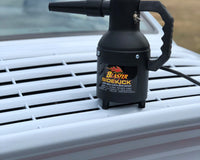
Touchless drying is one of the safest ways to prevent scratches altogether. Car dryers and air blowers use filtered air to remove water without touching the paint.
Where Air Drying Works Best
Air drying is ideal for grills, mirrors, badges, and panel gaps where towels struggle to reach. It also prevents water from dripping later and causing streaks.
Even if you do not dry the entire car with air, using a blower for tight areas reduces towel contact and improves overall results.
Work in the Shade and on Cool Panels
Drying your car in direct sunlight increases the risk of water spots and streaks. Water evaporates quickly on hot panels, leaving mineral deposits behind.
Always dry your car in the shade and allow the panels to cool before starting. This gives you more time to work safely and evenly.
Inspect Towels and Panels Frequently
During drying, regularly check your towel for dirt or debris. If it becomes contaminated, switch to a clean towel immediately.
Inspect the paint as you go. This helps you catch missed areas and prevents repeated wiping over the same section.
Common Car Drying Mistakes to Avoid
Many scratches are caused by simple mistakes that are easy to avoid.
Using old or low quality towels, applying too much pressure, and rushing the drying process are among the most common issues. Another mistake is using a single towel for the entire car, including dirty lower panels.
Avoid wiping in circular motions, as this can make scratches more noticeable. Straight line motions are safer and easier to correct if needed.
Best Drying Routine for Scratch Free Results
A safe drying routine combines several of the techniques discussed above. Start by using a blower on grills and mirrors. Use a plush microfibre towel with a drying aid on larger panels. Blot where possible and gently glide the towel without pressure.
Switch towels as soon as they become damp or dirty. Finish by inspecting the car under good lighting to ensure a streak free, scratch free finish.
Conclusion
Car drying is just as important as washing when it comes to protecting your paintwork. Using the right techniques, tools, and products can dramatically reduce the risk of scratches and swirl marks.
By choosing quality microfibre towels, using gentle drying methods, and avoiding outdated tools, you can maintain a flawless finish for years. Taking a little extra care during drying will always reward you with better gloss, fewer defects, and a car that looks freshly detailed after every wash.