
Washing your car should protect and enhance its appearance, yet many drivers unknowingly damage their paintwork every time they clean it. Scratches, swirl marks, dullness, and premature fading are often the result of poor washing habits rather than age or mileage. Even cars that are washed regularly can look tired if the wrong techniques and products are used.
In this comprehensive guide, we will cover the most common car washing mistakes that ruin paintwork. More importantly, we will explain why these mistakes cause damage and how to avoid them. By correcting these errors, you can dramatically improve the condition of your paint, maintain gloss, and extend the life of your car’s finish.
Why Proper Car Washing Matters
Modern car paint consists of multiple layers, with the clear coat being the most vulnerable. Although it is designed to protect the colour layer, it is relatively soft and easily scratched. Improper washing slowly degrades this layer, leading to visible defects that often require machine polishing to correct.
A safe car wash routine focuses on minimising friction, using the right cleaning products, and working in a controlled way. Ignoring these principles is what causes most paint damage.
Using Household Detergents Instead of Car Shampoo
One of the most damaging mistakes is washing a car with household cleaning products such as washing up liquid. These detergents are designed to cut through grease and oils, which makes them extremely harsh on automotive paint.
Household detergents strip wax, sealants, and protective coatings in a single wash. Over time, this leaves paint exposed to the elements, causing oxidation, fading, and roughness. They also lack lubrication, increasing the chance of scratches during washing.
Always use a dedicated car shampoo that is designed for automotive paint. A quality car shampoo cleans effectively while preserving protection and reducing friction.
Washing Without a Pre Wash Stage
Skipping the pre wash stage is one of the biggest causes of swirl marks. Dirt, grit, and traffic film build up on the surface of your car during daily driving. If you go straight in with a wash mitt, you drag this dirt across the paint.
This grinding action creates fine scratches that become more noticeable over time, especially on darker colours. A pre wash, such as snow foam or a pre wash spray, helps loosen and remove loose contamination before contact washing begins.
Pre washing dramatically reduces the amount of dirt left on the paint and makes the entire wash process safer.
Using a Single Bucket for Washing
The single bucket wash method is another common mistake that leads to paint damage. When you rinse your wash mitt in the same bucket you use for shampoo, dirt is reintroduced into the wash solution.
As you continue washing, this dirt is transferred back onto the paint, increasing the risk of scratches. Even if the car looks clean, microscopic particles can still cause visible damage.
The two bucket method is a much safer alternative. One bucket holds clean shampoo, while the other is used for rinsing the mitt. This simple change significantly reduces the chance of dragging dirt across the paintwork.
Using Sponges Instead of Wash Mitts
Sponges are still widely used, but they are not ideal for safe car washing. Traditional sponges have a flat surface that traps dirt between the sponge and the paint.
As you wipe the surface, this dirt is pressed directly into the clear coat, creating scratches and swirl marks. Microfibre wash mitts are far safer because their fibres pull dirt away from the paint and hold it within the mitt.
Choosing the right wash tool makes a noticeable difference to the long term condition of your paint.
Applying Too Much Pressure While Washing
Many people believe that scrubbing harder will clean better, but this is not true for car washing. Excessive pressure forces dirt particles into the paint, increasing the risk of scratches.
Car shampoo works best when it is allowed to do the cleaning. Gentle, straight line movements with minimal pressure are far safer and just as effective.
Let the product and technique do the work rather than brute force.

Washing in Direct Sunlight
Washing a car in direct sunlight is a common mistake, especially during warmer months. Heat causes water and shampoo to dry quickly on the surface, leaving water spots and residue behind.
Dried shampoo can also become harder to rinse off, encouraging extra wiping that increases the risk of scratches. Hot panels are more prone to streaking and mineral deposits, which dull the paint over time.
Whenever possible, wash your car in the shade and on cool panels. This gives you more control and better results.
Not Cleaning Wash Tools Properly
Dirty wash mitts, brushes, and towels are a major source of paint damage. Over time, these tools collect dirt, grit, and debris that cannot be seen easily.
Using contaminated wash tools is equivalent to rubbing sandpaper across your paint. Even high quality microfibre can cause scratches if it is not cleaned properly.
Wash all car cleaning tools separately from household laundry and avoid using fabric softeners. Regularly inspect them and replace any that feel rough or worn.
Ignoring Wheels and Tyres First
Many people wash the body of the car first and leave wheels and tyres until last. This often leads to wheel dirt being splashed onto freshly cleaned paint.
Brake dust and road grime from wheels are highly abrasive. If this contamination ends up on your wash mitt or towel, it can cause significant scratching.
Always clean wheels and tyres first using dedicated tools. This keeps the dirtiest areas separate from the paintwork.
Using the Same Towel for Washing and Drying
Another common mistake is using the same towel or mitt for multiple stages of washing. Drying towels, wash mitts, and wheel tools should never be mixed.
Drying towels are designed to absorb water, not remove dirt. If they are used on dirty panels, they quickly become contaminated and unsafe for drying paint.
Keep separate tools for each task and label them if necessary. This simple habit prevents unnecessary paint damage.
Allowing the Car to Air Dry
Letting a car air dry might seem harmless, but it often leads to water spots and mineral deposits. Tap water contains minerals that are left behind as the water evaporates.
These deposits can bond to the paint and become difficult to remove without polishing. In some cases, they can even etch into the clear coat.
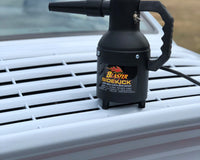
Proper drying with clean microfibre towels or air blowers prevents water spots and keeps the finish smooth and glossy.
Drying With Poor Quality Towels
Cheap or worn towels are one of the fastest ways to ruin paintwork. Low quality towels lack the softness and absorbency needed for safe drying.
They often have rough edges or low pile fibres that drag across the paint. Even a clean towel can cause damage if it is not designed for car detailing.
Investing in quality microfibre drying towels is one of the best ways to protect your paint during the drying stage.
Using Circular Motions When Washing
Circular washing motions are a habit many drivers pick up without realising the impact. While the motion itself does not cause scratches, it makes them more visible.
Swirl marks follow the circular pattern and reflect light in a way that highlights defects. Straight line washing motions are safer and make any minor marks less noticeable and easier to correct.
Changing this habit improves the appearance of your paint even if other mistakes are still being addressed.
Washing Too Infrequently
Infrequent washing allows dirt, bird droppings, and contaminants to bond to the paint. Over time, these substances can stain or etch into the clear coat.
When the car is finally washed, heavier contamination increases the risk of scratches. Regular washing prevents build up and makes each wash safer and easier.
Consistency is key to maintaining healthy paintwork.
Using Old or Contaminated Water
Reusing old water or washing with heavily contaminated water is another overlooked issue. Dirt settles at the bottom of buckets, even when grit guards are used.
If the water becomes too dirty, it should be replaced. Continuing to wash with contaminated water defeats the purpose of safe washing methods.
Fresh water and clean shampoo ensure better lubrication and reduced risk of scratches.
Neglecting Paint Protection
Unprotected paint is more vulnerable to damage during washing. Wax, sealants, and ceramic coatings create a barrier that helps dirt release more easily.
Without protection, dirt bonds more strongly to the paint, requiring more effort to remove. This increases the likelihood of scratches.
Maintaining some form of paint protection makes every wash safer and more effective.
Conclusion
Most paint damage is not caused by driving, but by improper washing techniques. The common car washing mistakes discussed above slowly degrade your paintwork, even if the car looks clean on the surface.
By using the right products, following a safe wash routine, and paying attention to small details, you can dramatically reduce scratches and swirl marks. Car washing does not need to be aggressive to be effective.
Avoiding these mistakes will help keep your paint glossy, smooth, and well protected for years to come. A careful approach to car washing is one of the best investments you can make in your vehicle’s appearance.