
You have just washed your car. It looks clean, it shines in the sunlight, and you are proud of your work. You run your hand across the paintwork, and your heart sinks. Instead of a smooth, glass-like surface, you feel a rough, gritty texture that no amount of washing seems to remove. This is not dirt that you can see. It is contamination that has bonded to your paint, invisible to the eye but unmistakable to the touch.
This contamination is the enemy of a flawless finish. It dulls the paint, prevents waxes and sealants from bonding properly, and creates an uneven surface that reflects light poorly. Washing alone cannot remove it. Polishing without removing it first risks grinding these contaminants into the paint, causing scratches that will be visible for years. The solution is a clay bar treatment, a simple but transformative process that restores your paintwork to a perfectly smooth, contaminant-free state.
What Is a Clay Bar?
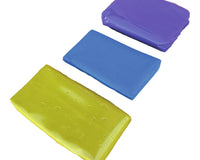
A clay bar is a synthetic resin compound that is engineered to be malleable and non-abrasive. It is designed to glide across the surface of your paintwork, picking up and encapsulating contaminants that are bonded to the clear coat. These contaminants include industrial fallout, brake dust, tree sap, tar, insect residue, and overspray from paint or other substances.
When used correctly, a clay bar shears off these contaminants at the molecular level, leaving your paintwork perfectly smooth and ready for polishing or protection. It is a physical decontamination process, using the clay's adhesive properties to lift contaminants away from the surface without damaging the paint.
A clay bar is not a polish and it is not a cleaner. It does not remove swirl marks or scratches. It removes the bonded contamination that prevents your polish and wax from working effectively. Think of it as preparing a canvas before you begin to paint. Without a smooth, clean surface, your efforts will never achieve the results they deserve.
Why Claying Is Essential
The importance of claying is often underestimated. Many car owners believe that a thorough wash is sufficient to prepare their paintwork for waxing or sealing. This is a mistake. Washing removes loose dirt and grime, but it cannot remove contaminants that have bonded to the paint.
The Contaminant Problem
Every time you drive your car, it is exposed to a host of contaminants. Industrial fallout from factories and power plants settles on the paint. Brake dust from your own wheels and from other vehicles lands on the surface. Tree sap falls from overhanging branches. Insects leave acidic residue that etches into the clear coat. Tar from freshly laid roads flicks up onto the lower panels. Paint overspray from nearby construction or DIY projects settles on the surface.
These contaminants do not simply sit on top of the paint. They bond to it, driven by heat, UV radiation, and chemical reactions. Over time, they become embedded in the clear coat, creating a rough surface that cannot be removed by washing alone.
The Impact on Finish
Contaminated paintwork looks dull and lacks depth. The contaminants scatter light, preventing the paint from reflecting a clear, crisp image. The surface feels rough and uneven to the touch, and water does not bead effectively.
When you apply wax or sealant to contaminated paint, the product cannot bond properly. It sits on top of the contaminants, which means it will not last as long and will not provide the same level of protection. The contaminants also act as a abrasive, causing scratches when you polish or buff the surface.
The Impact on Protection
A clay bar treatment prepares your paintwork for protection. By removing the contaminants that prevent bonding, it allows wax, sealant, or ceramic coatings to adhere directly to the clear coat. This ensures that your protection is as effective and long-lasting as possible.
The difference after claying is immediately apparent. Your paintwork will feel like glass, smooth and slick to the touch. The depth and clarity of the paint will be enhanced, and your chosen protection will perform to its full potential.
When to Clay Your Car
Knowing when to clay your car is as important as knowing how. Claying too frequently can strip your paint of its protection and, if done incorrectly, can cause damage. However, neglecting to clay when it is needed will compromise the quality of your finish.
The Plastic Bag Test
The most reliable way to test whether your car needs claying is the plastic bag test. After washing and drying your car, place your hand inside a clean plastic sandwich bag and gently rub it across the paintwork. The bag amplifies any roughness, making it easy to feel even the smallest contaminants. If you feel a gritty texture, your car needs claying.
Frequency
For most cars, claying once or twice a year is sufficient. However, the frequency depends on your driving conditions. If you park near industrial areas, under trees, or near busy roads, you may need to clay more frequently. If your car is garaged and driven infrequently, you may need to clay less often.
When Not to Clay
Do not clay your car immediately after polishing, as the clear coat will be at its thinnest and most vulnerable. Do not clay your car if it has recently been repainted, as the paint will not have fully cured. Always check with your detailer or paint shop before claying a new paint job.

The Different Types of Clay
Not all clay bars are the same. They are available in different grades, each designed for a specific purpose.
Fine Grade Clay
Fine grade clay is the most commonly used and is suitable for removing light contamination. It is gentle on paintwork and is the safest choice for beginners. Fine grade clay is ideal for regular maintenance claying.
Medium Grade Clay
Medium grade clay is more aggressive and is designed for removing heavier contamination. It is effective on paintwork that has not been clayed for some time or on vehicles that are exposed to more severe conditions. Medium grade clay requires more care during use to avoid marring the paint.
Heavy Grade Clay
Heavy grade clay is the most aggressive and is intended for severe contamination, such as industrial fallout or overspray. It requires significant care and experience to use safely and will likely cause some marring that will need to be polished out afterwards.
Clay Alternatives
Clay mitts and clay towels have become increasingly popular. These tools incorporate synthetic clay material into a wash mitt or towel, allowing you to clay while you wash. They are faster and more convenient than traditional clay bars and are often more forgiving, making them ideal for beginners.
However, traditional clay bars remain the preferred choice for professionals and serious enthusiasts because they offer greater control and are more effective at removing stubborn contamination.
How to Clay Your Car
Claying is a straightforward process, but it requires attention to detail and the right technique. Rushing or using the wrong technique can cause more harm than good.
Preparation
Before you begin claying, wash and dry your car thoroughly. Any loose dirt or grit on the surface will be dragged across the paint by the clay, causing scratches. Ensure your car is completely clean before you start.
Lubrication
Claying without lubrication is one of the most common mistakes. The clay must glide across the surface, and lubrication is essential to prevent it from sticking and causing marring. Use a dedicated clay lubricant, or a mixture of car shampoo and water in a spray bottle.
Spray a generous amount of lubricant onto a small section of the paintwork. The surface should be wet enough for the clay to glide smoothly.
The Claying Motion
Knead the clay bar into a flat disc shape and hold it flat against the lubricated surface. Glide the clay gently back and forth in straight lines, not circles. Do not apply pressure. The clay should glide effortlessly across the surface. If it sticks or drags, add more lubricant.
Work in small sections, about two feet by two feet, and check your progress regularly. As the clay picks up contaminants, you will feel the surface becoming smoother. When the clay glides effortlessly and you can no longer feel any resistance, the section is done.
Checking Progress
Use the plastic bag test regularly to check your progress. If the surface still feels rough, continue claying. Once it feels smooth, move on to the next section.
Folding the Clay
As you work, the clay will pick up contaminants from the paintwork. These contaminants will be visible as dark spots on the clay. Regularly fold the clay to expose a clean surface. If you drop the clay on the ground, discard it. It will pick up grit that will scratch your paint.
Final Rinse and Dry
Once you have clayed the entire car, rinse the surface thoroughly to remove any lubricant residue. Dry the car with a clean microfiber towel and inspect the paintwork. It should feel like glass.
After Claying: The Next Steps
Claying is not the final step. It is the preparation for the next stage of your detailing process.
Polishing
Claying can leave minor marring on the paintwork, particularly if you have used a medium or heavy grade clay. Polishing is recommended after claying to remove any marring and to restore maximum gloss and clarity.
Even if you have used a fine grade clay, polishing after claying will enhance the finish and ensure that your paintwork is perfectly prepared for protection.
Protecting
After claying and polishing, your paintwork is at its most vulnerable. The contaminants have been removed, and the clear coat is exposed. Apply a high-quality wax, sealant, or ceramic coating immediately to protect the surface and lock in the gloss.
Without protection, your paintwork will quickly become contaminated again, and your efforts will have been wasted.
Common Mistakes to Avoid
Claying is a simple process, but there are common mistakes that can compromise your results or damage your paint.
Using Too Much Pressure
Do not press hard. The clay is designed to lift contaminants through its adhesive properties, not through force. Pressing too hard will cause the clay to mar the surface.
Insufficient Lubrication
Lubrication is essential. Do not be stingy with the lubricant. If the surface dries out, the clay will stick to the paint, causing marring that will need to be polished out.
Working on a Dirty Car
Never clay a dirty car. Always wash thoroughly before claying. Any dirt left on the surface will be ground into the paint by the clay.
Dropping the Clay
If you drop the clay on the ground, throw it away. It will pick up grit that will scratch your paint. A new clay bar is cheaper than paint correction.
Claying in Direct Sunlight
Do not clay in direct sunlight. The heat will cause the lubricant to evaporate quickly, making it difficult to keep the surface lubricated. Work in the shade or on a cool, overcast day.
The Benefits of Professional Detailing
While claying is a process that many enthusiasts can perform at home, there are benefits to entrusting your vehicle to a professional. A professional detailer has the experience, tools, and products to achieve results that are difficult to replicate at home.
A professional will assess your paintwork, choose the appropriate grade of clay, and perform the treatment with precision and care. They will also follow up with polishing and protection, ensuring that your paintwork is fully restored and protected.
For those who value their vehicle's appearance and want the best possible results, professional detailing is an investment that pays dividends in the quality of the finish and the longevity of the paint.
In Conclusion
Clay bar treatment is an essential step in maintaining your vehicle's paintwork. It removes the bonded contaminants that washing cannot touch, restoring a smooth, glass-like finish that enhances the depth and clarity of your paint.
The process is straightforward and the results are transformative. After claying, your paintwork will feel like glass, and your wax or sealant will bond more effectively, providing longer-lasting protection.
Do not underestimate the importance of claying. Whether you are a dedicated enthusiast or a casual owner, taking the time to clay your car will make a noticeable difference to its appearance and condition. Your paintwork will thank you for it.