
You have just spent an hour carefully washing your car. You have used the two-bucket method, a high-quality shampoo, and a soft microfiber wash mitt. The paintwork looks clean, glossy, and free from grime. Now comes the moment that can undo all your careful work in an instant. You reach for a towel and start drying.
Drying is the most dangerous step in the entire washing process. It is the moment when your paintwork is most vulnerable to scratches and swirl marks. Any dirt or grit that remains on the surface, any abrasive towel, any careless movement, and you will inflict damage that will take hours to correct with a polisher. Yet, drying is also unavoidable. Water left to evaporate naturally leaves behind mineral deposits that etch into the clear coat, damaging your paint just as surely as a dirty towel.
The solution is to dry your car properly, using the right techniques and the right tools. This guide will walk you through everything you need to know to dry your car safely, effectively, and without causing scratches.
Why Drying Matters
Water left on your car's paintwork is not harmless. As it evaporates, it leaves behind the dissolved minerals it contained. These mineral deposits bond to the clear coat, forming water spots that can be difficult to remove. In severe cases, particularly when the water is heated by direct sunlight, these minerals can etch into the paint, causing permanent damage that requires professional correction.
Drying your car is not just about removing water. It is about removing water safely, without introducing new imperfections to your paintwork. Every time you drag a towel across your car's surface, you risk creating microscopic scratches that dull the finish and reduce the clarity of your paint.
The key to safe drying is minimising friction and ensuring that any contact with the paint is as gentle as possible.
The Golden Rule of Drying
There is one rule that underpins every safe drying technique. Never dry a dirty car. It sounds obvious, but it is a rule that is frequently broken. If your car is not thoroughly clean, any towel you drag across the surface will grind dirt and grit into the paint, creating scratches that will be visible in the sunlight.
Before you begin drying, ensure that your car is completely clean. Rinse thoroughly to remove all shampoo residue and loose dirt. If you have access to a pressure washer, use it to blast water into the gaps around badges, trim, and panel gaps, flushing out any trapped dirt that could be released during drying.
If you are drying your car after a maintenance wash, consider using a quick detailer as a drying aid. This provides additional lubrication, reducing friction and helping to prevent scratches.
Choosing the Right Drying Tools
The tools you use to dry your car are just as important as the technique. Using the wrong towel or material is one of the most common causes of drying-induced scratches.
Microfiber Drying Towels
Microfiber towels are the gold standard for drying cars. They are soft, absorbent, and gentle on paintwork. The fibres are designed to trap water and dirt, lifting them away from the surface rather than dragging them across it.
When choosing a microfiber drying towel, look for a high-quality towel with a high GSM. A higher GSM indicates a denser, more absorbent towel that will hold more water and reduce the number of passes required. A towel with a GSM of at least 500 is recommended, with premium towels often exceeding 800 GSM.
It is also important to choose a towel with a smooth, plush surface. Some towels have a waffle weave pattern that is excellent for drying, while others have a twisted pile that provides exceptional absorbency. Avoid towels with a rough texture or visible seams, as these can scratch your paint.
Chamois Leathers
Chamois leathers were once the standard for car drying, and they remain popular with some enthusiasts. A genuine chamois is highly absorbent and can be wrung out and reused multiple times. However, chamois leathers require careful maintenance. They must be kept clean and free from grit, and they should be used wet, as a dry chamois can be abrasive.
Synthetic chamois are also available and are generally easier to maintain than genuine leather. However, they are less absorbent than high-quality microfiber towels and can sometimes leave streaks.
Air Dryers and Blowers
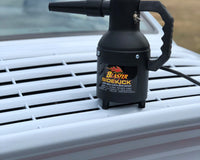
For the ultimate in scratch-free drying, consider using an air dryer or blower. These devices blow high-velocity air across the surface of your car, removing water without any physical contact. This eliminates the risk of scratching entirely.
Air dryers are particularly useful for drying complex areas like grilles, badges, door shuts, and wing mirrors, where water tends to accumulate and is difficult to reach with a towel. They are also excellent for drying wheels and tyres.
The main limitation of air dryers is that they are expensive and require a power source. They also take longer than towel drying and may not remove every droplet of water, requiring a final wipe-down with a microfiber towel.
Drying Aids and Detailers
A drying aid is a spray product that is applied to the wet paint before drying. It provides additional lubrication, making it safer to drag a towel across the surface. It also helps to break the surface tension of the water, allowing it to be absorbed more easily by the towel.
Quick detailers and dedicated drying aids are available from most detailing brands. They often contain polymers or waxes that add a layer of protection to the paint, enhancing gloss and making future washes easier.
The Best Drying Techniques
The technique you use is just as important as the tools. Even the best towel will scratch if used incorrectly.
The Pat and Blot Method
The safest drying technique is to pat and blot the water off the surface rather than dragging the towel across it. This reduces friction and minimises the risk of scratches.
To use this method, lay the towel flat on the surface and press down gently to absorb the water. Lift the towel away and move to the next area. Do not wipe or drag the towel across the paint. This method is slower than wiping, but it is significantly safer.
The Sheeting Method
The sheeting method is a technique that reduces the amount of water left on the surface before you even touch it. After rinsing your car, remove the nozzle from your hose and allow water to flow gently over the surface. The water should flow in a continuous sheet, pulling the majority of standing water off the paintwork. This leaves only a thin film of water that is easier and safer to dry.
The sheeting method is particularly effective on well-protected paintwork, where the water beads and sheets off easily.
The Wipe Technique
If you choose to wipe rather than blot, always do so in straight lines, working from top to bottom. Never wipe in circles, as circular movements create visible swirl marks that are difficult to remove.
Use a clean, folded towel and flip it regularly to ensure you are always using a dry, clean surface. Apply light pressure and work in sections, drying one panel at a time.
Drying in Sections
Do not attempt to dry the entire car at once. Work in sections, drying one panel before moving to the next. This prevents water from drying on the surface and leaving mineral deposits.
Start with the roof and work your way down, leaving the lower panels and wheels until last. This ensures that any dirt that may have been missed is not dragged across the upper, more visible panels.

Avoiding Common Mistakes
Even experienced detailers make mistakes when drying their cars. Avoiding these common errors will help you achieve a perfect finish.
Using a Dirty Towel
This is the most common mistake. A towel that has been used before without proper washing will contain dirt and grit that will scratch your paint. Always use a clean, freshly washed towel for each drying session.
Applying Too Much Pressure
You do not need to press hard to dry your car. The towel's absorbency does the work, not the pressure. Applying too much pressure increases friction and the risk of scratches.
Drying in Direct Sunlight
Drying your car in direct sunlight is a recipe for water spots. The heat from the sun causes water to evaporate rapidly, leaving mineral deposits behind. Always dry your car in the shade or on a cool, overcast day.
Forgetting the Gaps
Water accumulates in the gaps around badges, trim, and panel edges. If left to dry, this water will run out later, leaving streaks on your clean paintwork. Use a blower or a small, soft towel to dry these areas thoroughly.
Using Fabric Softener on Towels
Never use fabric softener when washing your microfiber towels. Fabric softener coats the fibres, reducing their absorbency and making them less effective. Wash your drying towels with a dedicated microfiber detergent and air dry or tumble dry on a low heat.
Maintaining Your Drying Towels
Your drying towels are an investment, and they require proper care to maintain their performance. Always wash your towels separately from other laundry, using a liquid detergent that does not contain fabric softener or bleach.
After washing, air dry your towels or tumble dry on a low heat. Do not use high heat, as this can damage the fibres and reduce their absorbency.
Inspect your towels regularly for signs of wear. If the fibres feel rough or stiff, or if the towel no longer absorbs water effectively, it is time to replace it.
The Importance of Paint Protection
The easier your car is to dry, the less you need to touch it. A well-protected paint surface repels water, making it bead and sheet off easily. This means less water remains on the surface, reducing the amount of drying required.
Applying a high-quality wax, sealant, or ceramic coating creates a hydrophobic surface that repels water and makes drying significantly easier and safer. The water simply rolls off the surface, leaving minimal droplets behind.
For those who take pride in their vehicle's appearance, the combination of excellent paint protection and careful drying techniques ensures that your car remains swirl-free and glossy for years to come. Just as a professional detailer invests in the right tools and techniques to achieve a perfect finish, the discerning car owner should prioritise safe drying as a fundamental part of their maintenance routine.
In Conclusion
Drying your car properly is one of the most important steps in maintaining its appearance. Done correctly, it preserves your paintwork and keeps your car looking showroom fresh. Done incorrectly, it introduces scratches and swirl marks that require time and expense to correct.
The key to safe drying is using the right tools, employing the right techniques, and avoiding common mistakes. Choose high-quality microfiber drying towels, use a drying aid for lubrication, and always dry in the shade. Work in sections, use gentle pressure, and never reuse a dirty towel.
With the right approach, drying becomes a safe and satisfying part of your car care routine, ensuring that your paintwork remains flawless for years to come.